



 By

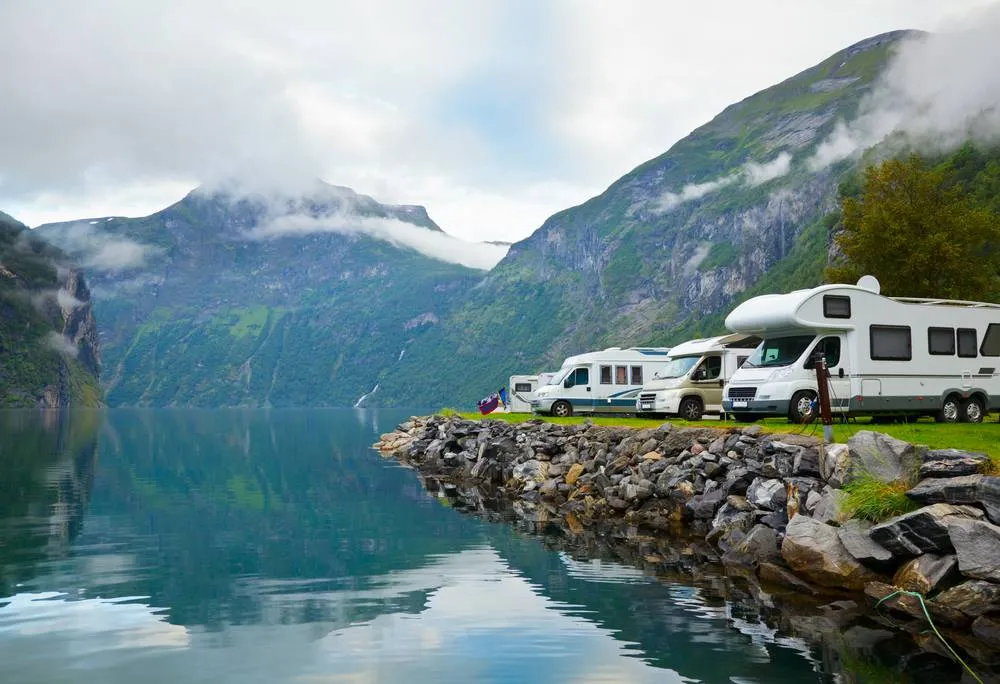
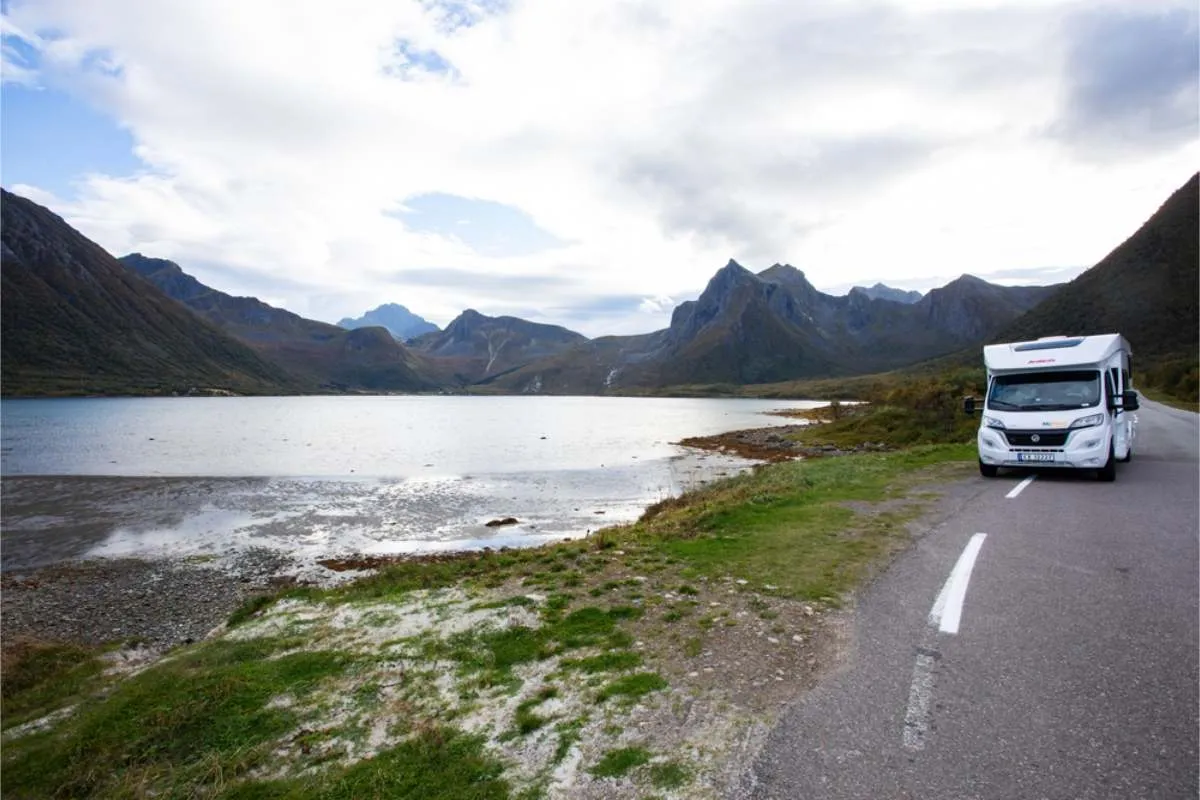
Exploring Norway in a campervan has many perks, including going camping in Norway (the most budget-friendly way to stay in the country). And you don’t even have to worry about “Bear Grylling” it; in a campervan, you can go camping in the ultimate comfort!
So, if you were thinking about traveling to Norway soon, read on, so you can discover exactly what makes a campervan and our campsites such a powerful combination (and get a little insider info while you’re at it).
Why Norway is the Perfect Camping Destination
There are many reasons why Norway is any camper’s dream destination:
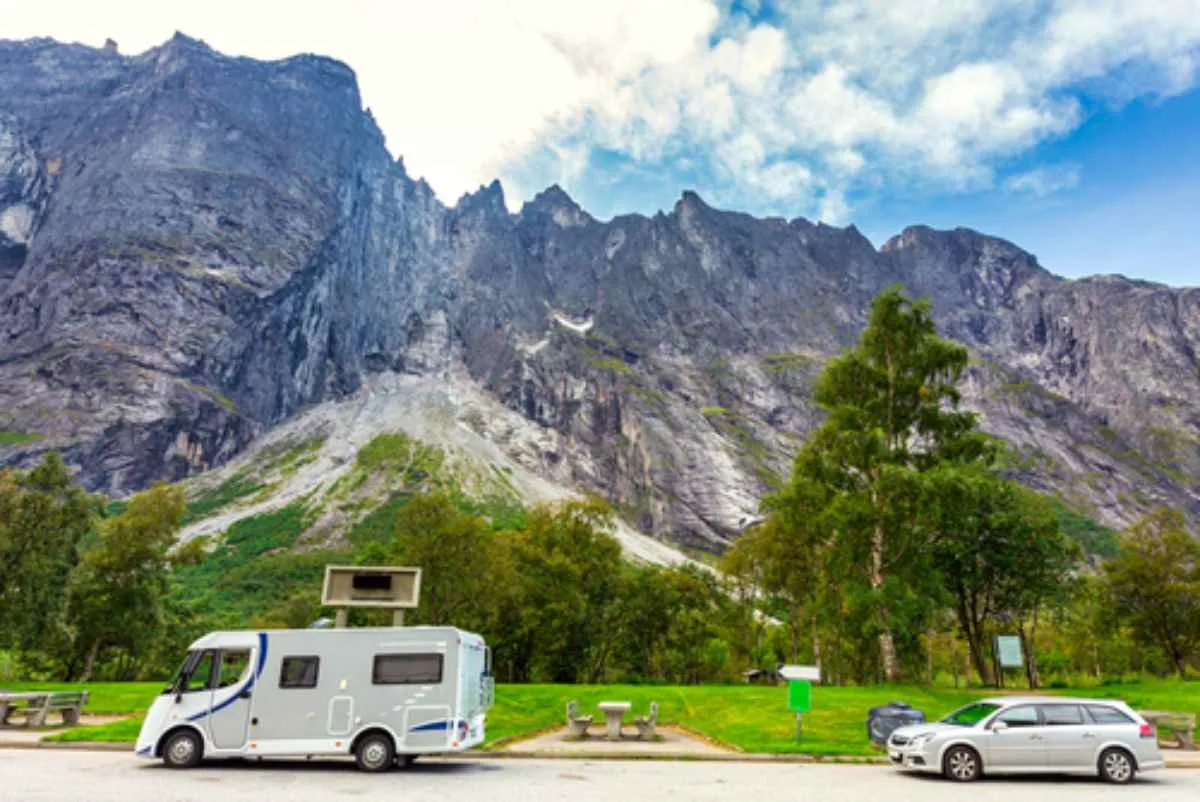
- We have epic landscapes! From majestic mountain ranges and valleys that seem to stretch out to infinity to breathtaking fjords, Norway truly has it all. And truly immersing yourself in this landscape by camping is an experience you won’t soon forget.
- Our campsites are the supporting role to your road trip. Conveniently sprinkled along most of our most popular road trip routes, an overnight stay in your camper is literally just a turn-off away.
- We have more than enough pitches to go around. Norway currently boasts over 1,000 official campsites, with a combined average of over 69,000 campervan and motorhome stands. So, you’ll always find someplace to rest your head after a day of exploring in the camper.
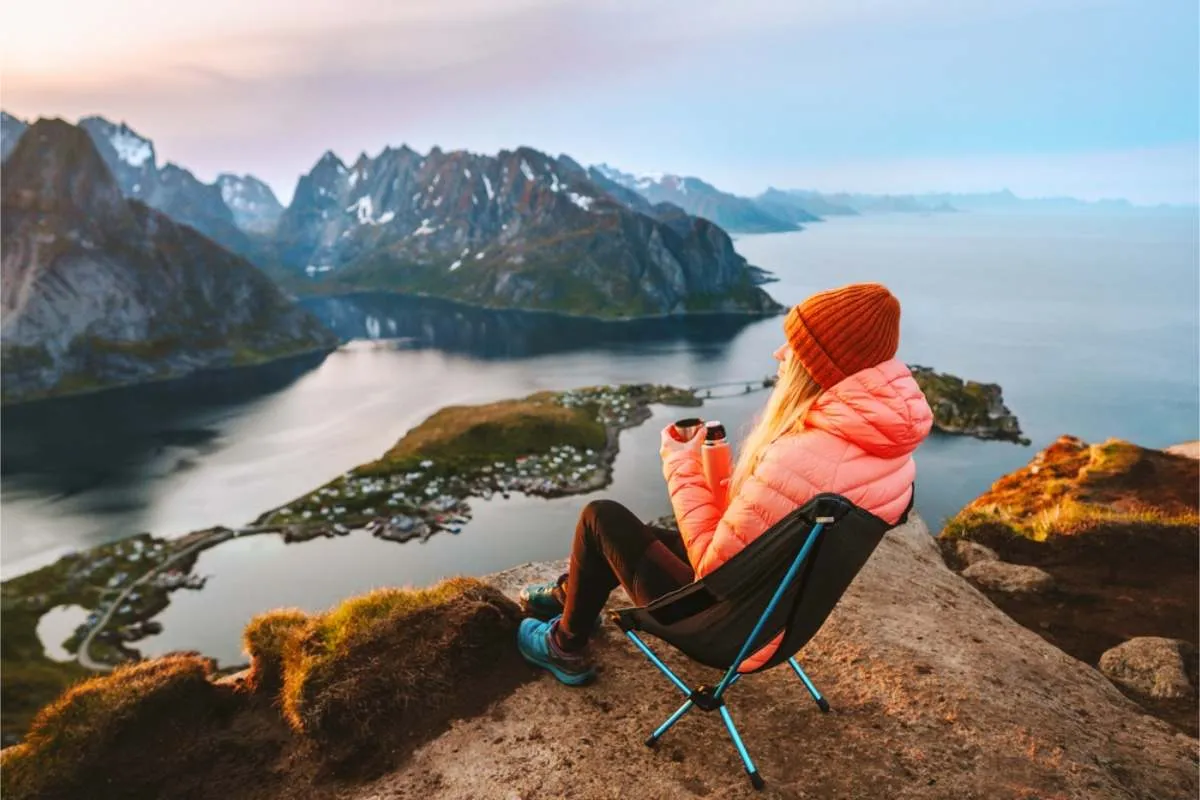
Understanding Norway’s Right to Roam (Allemannsretten)
Norway’s Right to Roam (aka Allemannsretten) gives the general public the right to freely move around on uncultivated land, even offering a few overnight perks. However, the rules for those with tents and those with campers are not the same:
What the Law Says for Campervan Travelers
Allemannsretten has some strict rules that campervan travelers must adhere to if they don’t want to face fines that may require remortgaging the house. So, please take note of the following:
- You need to understand the definition of ‘uncultivated land.’ Uncultivated isn’t just unpopulated or uninhabited; it pretty much means untouched by humans. Therefore, while mountains, forests, moorlands, etc. are covered under Allemannsretten, farm fields, gardens, plantations, and hay meadows are not.
- Even in uncultivated land, you need to take civilization into account. You must ensure that you’re at least 150 meters from the nearest homestead (whether it’s inhabited or not at the time is irrelevant). This is to ensure that people’s right to privacy is protected.
- You’ll be camping against the clock. Irrespective of where you finally pitch camp, you’ll only be allowed there in your camper for up to 48 hours before you’re legally required to move on.
- Always look out for exceptions. For example, municipally placed “no camping” signs override the Right to Roam, and places such as our national parks also have different rules to protect our ecosystems.
- You’ll still need to stay on the “road.” You are not allowed to DIY your own roads and paths through our landscape. Therefore, you’ll either have to park the camper somewhere and actually walk into the forest to pitch a traditional tent, or you’ll need to find a way to stay in your camper but in a parking spot, on gravel, existing trail, etc. where you’re not blocking other traffic (this is usually why most campervan travelers just opt for the convenience of our super affordable campsites).
Campfire Rules and Seasonal Restrictions
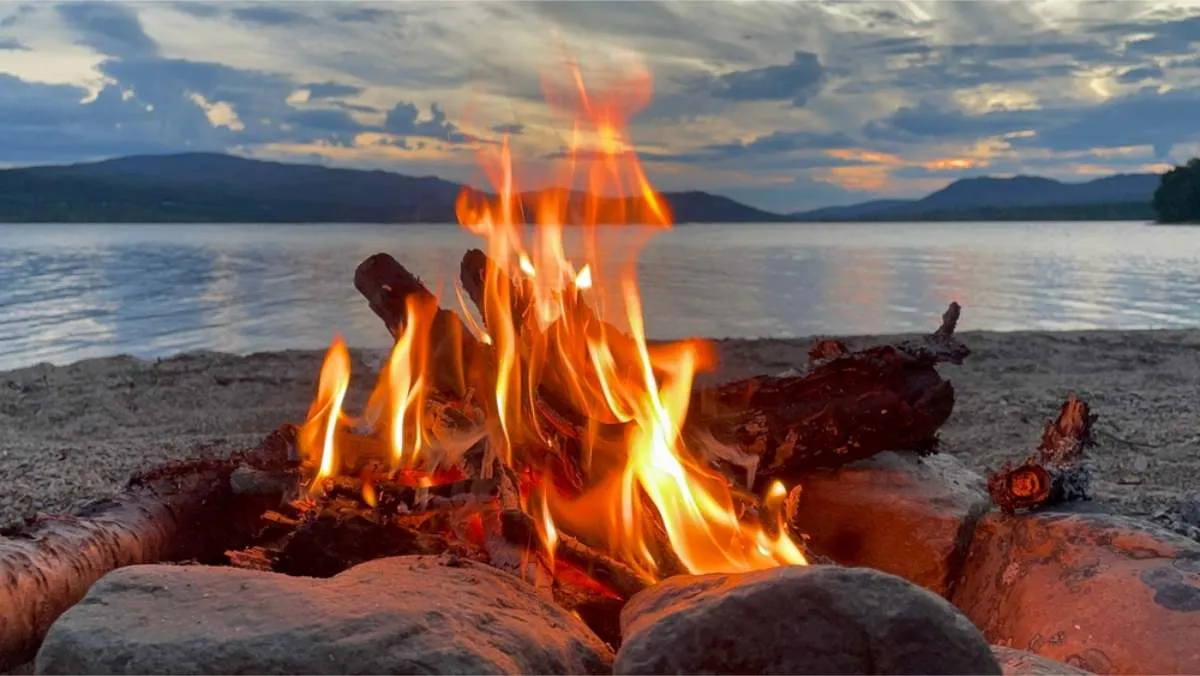
We know... That cozy little fire out in the woods, making s’mores, is almost a camping staple, but things work differently here in Norway. However, this should come as no surprise once you see our forested landscape.
To mitigate most of the risk, there’s an actual ban on open fires while wild camping between 15 April and 15 September every year (basically stretching over the warmer months when most camp). But camping in a campervan that offers more shelter means an extended camping period, so what then? Well, if you’re camping in a campervan, you’re in luck.
Most campervans come with outdoor cooking gear, so the best option is to compromise on that “scouts around the fire” feel and simply use a gas stove on rocks or other inflammable surfaces for any outdoor cooking experiences. Once again, this is often when official campsites win again, as many offer barbecue facilities and grills that you can use throughout the year.
Foraging and Fishing While Camping
A lot of our foraging and fishing rules also fall under Allemannsretten. But it’s important to know when you’re moving away from your Right to Roam and venturing into Go-to-jail-and-do-not-collect-$200 territory. So, here’s what to remember:
- You are allowed to forage for things like berries, mushrooms, flowers, and herbs freely as long as it’s only for personal use, and you adhere to the Allemannsretten regulations. For example, picking flowers in the forest is fine, but picking flowers in Ms. Olsen’s garden is not. Please note that there are some on-site only restrictions regarding Cloudberries in the northern counties.
- Foraging means picking individual items, not shoveling and uprooting entire plants. It’s picking berries, not picking your berry bush.
- You are free to fish in the oceans and fjords here in Norway and don’t require any license or permit. But once again, it’s only for personal use (you’re not allowed to sell your catch). You’re also not allowed to farm less than 100 meters from the nearest fish farm. But there are specific conditions that are very important: there are restrictions on certain species of fish and limitations in terms of sizes, so please request this info from the Norwegian Directorate of Fisheries to ensure you’re always on the right side of the law.
- Please note that there is a big distinction made between saltwater and freshwater fishing here in Norway. So, while saltwater falls under Allemannsretten, freshwater fishing does not. You will need a fistekort to fish in our lakes and rivers. Prices vary based on regions.
- If you’re planning on fishing for salmon, sea trout, or char, you’ll need to pay an additional national fee along with the fistekort (both can be bought via the fistekort link).
Friluftsliv: The Norwegian Philosophy Behind Outdoor Living
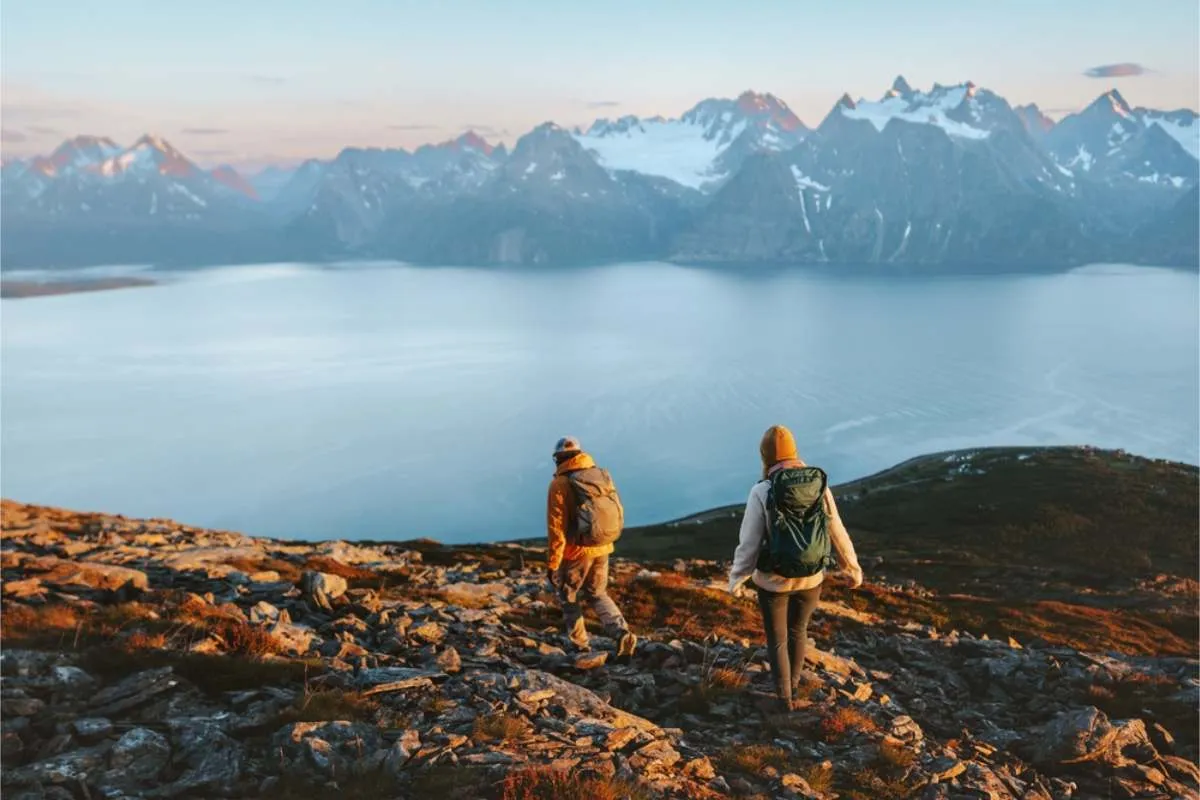
Friluftsliv loosely translates to “open air life” and is a Norwegian lifestyle approach to spending as much time as possible enjoying the outdoors. We believe immersing yourself in nature and taking part in all sorts of outdoor activities is an absolute must when it comes to your physical and mental well-being.
That’s also why camping in Norway is much more than just affordable accommodation; it’s the cultural expression of Friluftsliv.
Campervan vs. Motorhome vs. Tent: Which is Right for You?
There are many ways one can go camping in Norway, and so you’ll need to decide which suits you (and your pocket!) best:
|
Vehicle Type |
Maneuverability |
Comfort |
Cost (Per Day) |
Best For… |
|
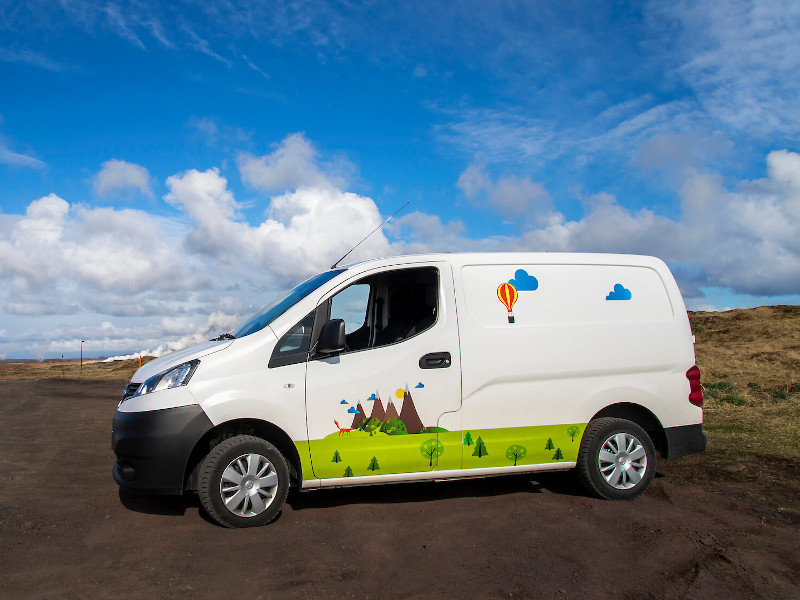
Campervan |
A campervan might be slightly bigger than your standard car, but it’s still high and wide enough to easily go through most of our tunnels and zip in and out of parking spots. |
With a campervan, you’ll be warm and have most of your creature comforts with you wherever you go. |
6929 NOK ($754/€644) to 7169 NOK ($780/€666). |
Couples or small families with younger kids. |
|
Motorhome |
Some motorhomes are still on the smaller side, making tunnels a non-issue. However, most motorhomes become challenging when it comes to maneuverability (you definitely won’t be zipping in and out of anything). |
The entire point of motorhomes being larger is that they have more space and features. So, if you’re looking for the ultimate comfort solution, a motorhome is generally it. |
7969 NOK ($867/€741) to 8169 NOK ($889/€759). |
Families, especially those with older kids, as well as friends. |
|
Tent |
Luckily, you won’t need to be driving your tent anywhere (Flintstone style?), but let’s face it: the setting up and packing up is a schlepp, especially if you have to do it nearly every day on a road trip. |
The fact that Bear Grylls uses tents in his survival series should tell you everything you need to know about the comfort of tents. They are cramped, cold, and your back hurts when you wake up (here’s looking at you over 35s!) |
90 NOK ($9.80/€8.40) to 160 NOK ($17.45/€14.90). |
Depending on the type of tent, you can make it work for pretty much anyone. However, it’s not an easy setup, so try sleeping in a tent with older kids or your friends for a week, and then let us know which of you made it out alive. |
Best Time to Go Camping in Norway by Campervan
While a campervan offers enough shelter to tackle most weather conditions, you’ll still need to take the following seasonal considerations into account:
Spring (April – May)
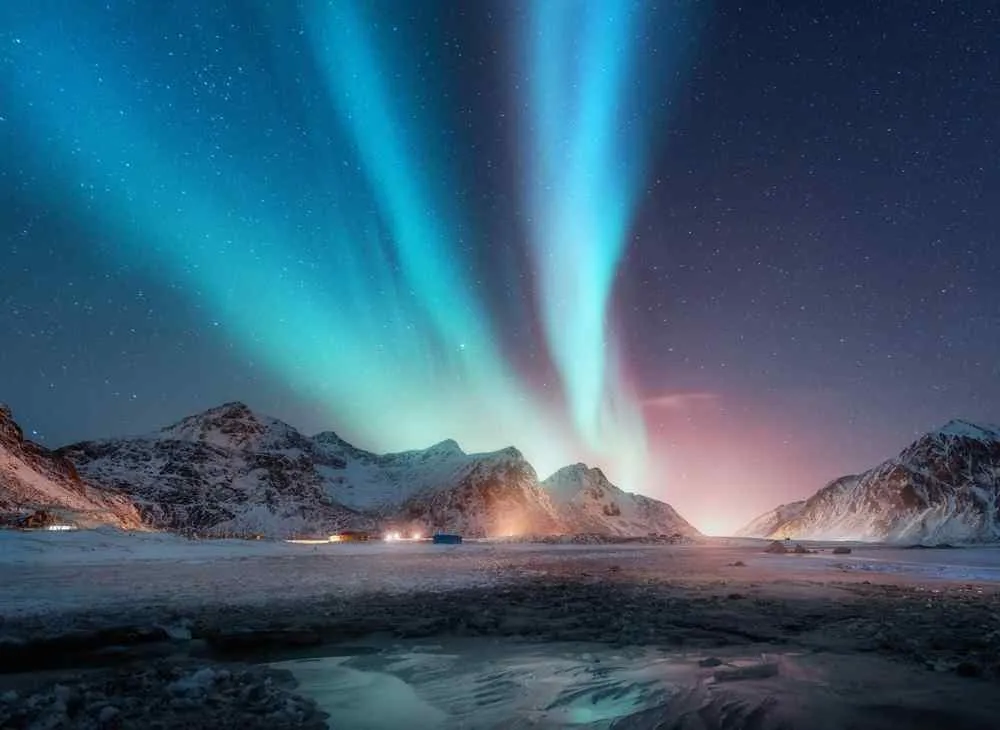
April to May are shoulder months, which means fewer visitors and lower prices. However, it’s important to note that annual road closures will only start opening late May again, and early April will still have winter remnants such as ice and snow (especially in the northern regions). On the bright side (pun intended), there’s still a chance of spotting those Northern Lights if you visit in early April.
Summer (June – August)
Summer isn’t peak season for nothing; you’ve got plenty of daylight hours to work with, and the weather is nice and mild. Just keep in mind that peak season brings with it peak season crowds and peak season prices.
Autumn (September – October)
These are yet another set of shoulder months, offering many of the same cross-seasonal perks as spring. In this case, September is essentially our off-brand summer at a much lower price tag, and October is an early intro into winter (especially if you’re up north).
Winter Camping in Norway
While some campsites are open all year round, many close throughout the winter season or at least work at a lower capacity (fewer facilities, activities, etc. available).
You’ll also need to check operating hours since receptions that are usually open 24/7 throughout the warmer months may now only open for a few hours every day. Still, that should stop you from cruising the country in a camper and hunting down those magnificent Northern Lights and frozen waterfalls.
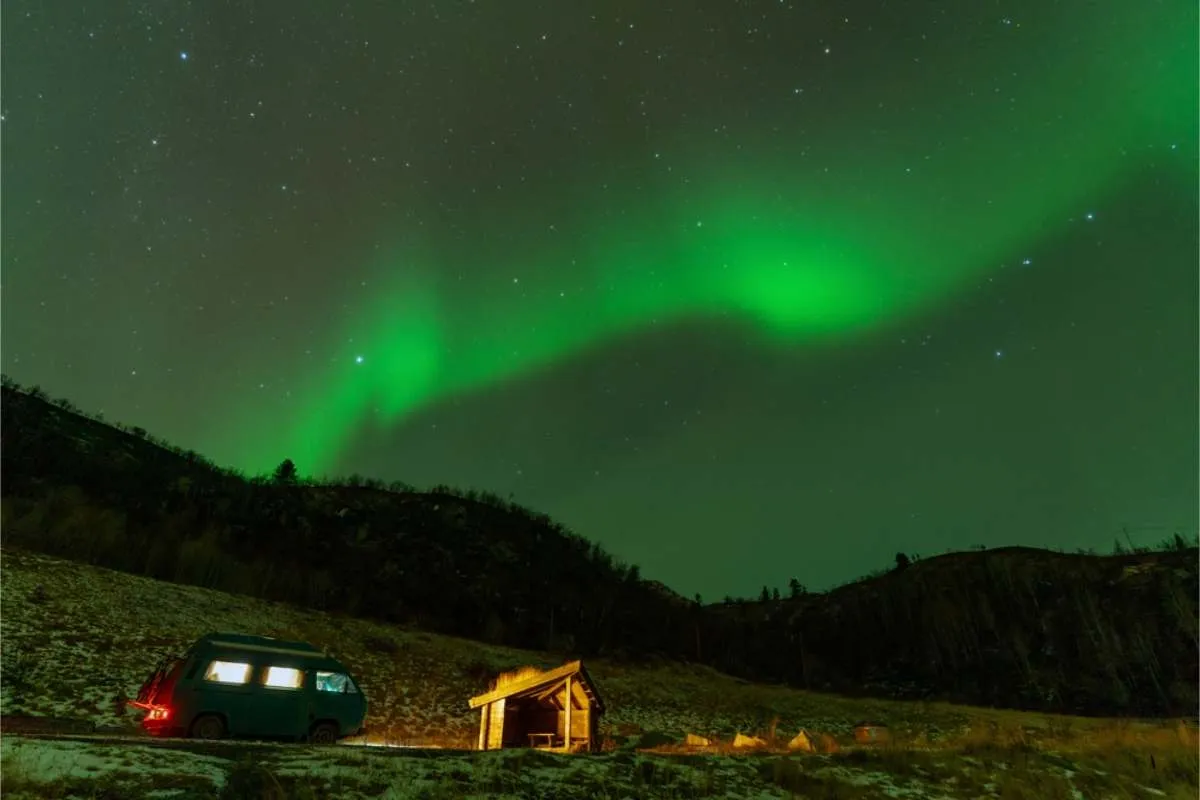
Wild Camping in Norway: Tips for Campervan Travelers
If you’re planning on wild camping in Norway, the following tips and advice will be helpful:
- If you’re unsure of where to find wild camping spots without overstepping some legal boundaries, then check out the iOverlander app. This app will give you insight from fellow campervanners like yourself.
- Always follow a leave-no-trace principle. This doesn’t just mean not leaving any litter behind; it also means not taking or trampling!
- Forget all those Instagram photos; do not get tempted and go camping on a beach! Remember the Allemannsretten laws; driving your camper onto the beach will already land you in a heap of trouble without even staying the night!
The 10 Best Campsites in Norway for Campervans
If you’re still feeling a little lost regarding which campsites to stay at when exploring Norway in a camper, the following sites come highly recommended:
Hamre Family Camping – Camping Kristiansand
As the name suggests, Hamre Family Camping – Camping Kristiansand in Hamresanden should be the go-to for any family road trip. The campsite is open all year round and has so many facilities, amenities, and activities on-site that you’ll be tempted never to leave.
Fossen Camping
Fossen Camping in Fagernes refers to itself as the green oasis, and once you see it, you’ll understand why. This small family-owned campsite has all the basic amenities you’ll need to make your stay as comfortable as possible, but here the focus is on enjoying nature (you can even fish here for free!).
Næroyfjorden Camping
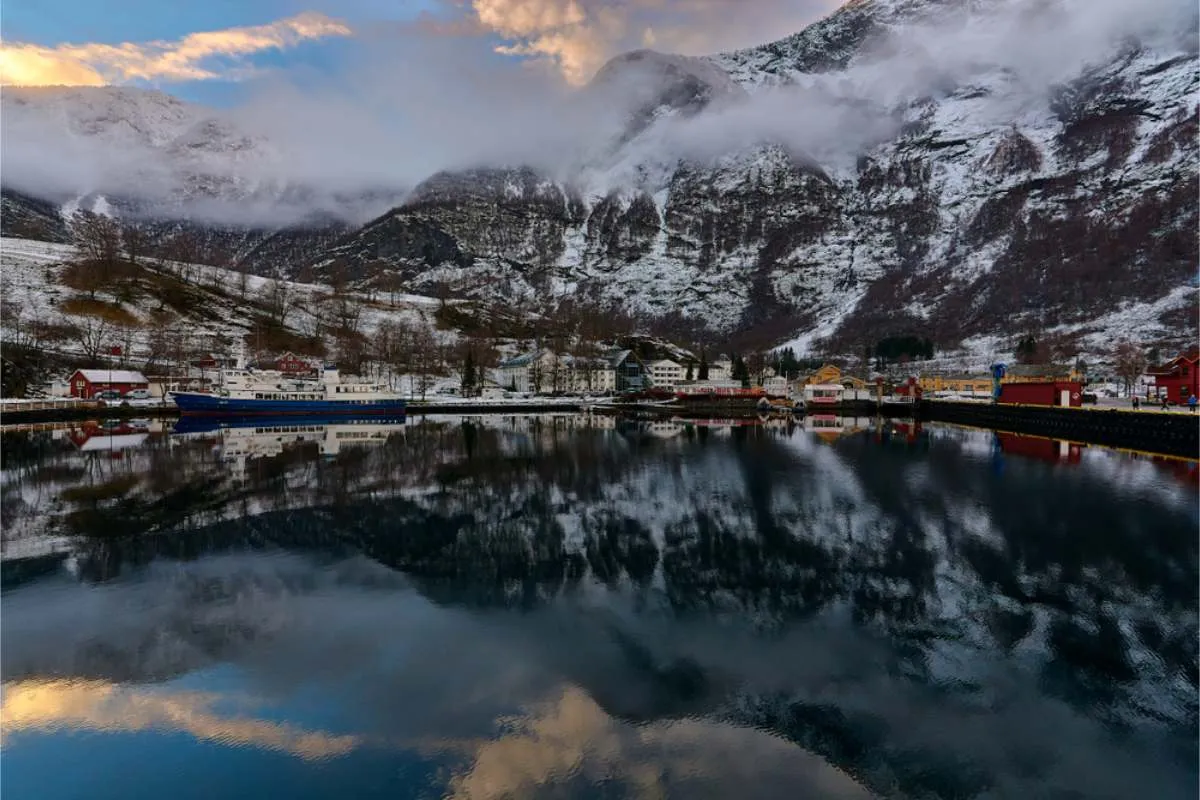
Næroyfjorden Camping in Gudvangen has been featured on National Geographic, so that should already tell you what an extraordinary experience you’re in for when camping here.
Your surroundings are absolutely breathtaking (which is no surprise as a UNESCO site), and it’s one of the few sites where the facilities and amenities are just as marvelous as the surroundings.
Steinklepp Hytter og Camping
Steinklepp Hytter og Camping in Borgund is one of the more basic sites that’s only open from June to September, but is a go-to for any avid hikers since it’s located so conveniently close to the hiking trails to Kvamsdalen, Tufteasen, and Volldalen.
Here, the focus is on spending your days adventuring outdoors, then coming to take a shower and sleep in the ultimate tranquility for the night.
Mosvangen Camping
Mosvangen Camping in Stavanger is yet another campsite that offers all the facilities and amenities you’re likely to need, and also boasts being neighbors with the famous Gamlingen Swimming Pool.
Lone Camping AS
Lone Camping AS in Haukeland is another campsite that feels more like a stay-forever family resort than just another overnight campground along a road trip. And you can really be tempted to stay longer since you get discounted rates the longer you stay!
Topcamp Bogstad
Ooooeee! Here we go again with the resort vibes, but this time it’s also close to the capital city of Oslo! Get the best of both worlds at Topcamp Bogstad, with vibrant city life just a short drive away, while family fun outdoors is the order of the day. It's a nice way to start your road trip if you’re flying into Oslo.
Jostedal Camping
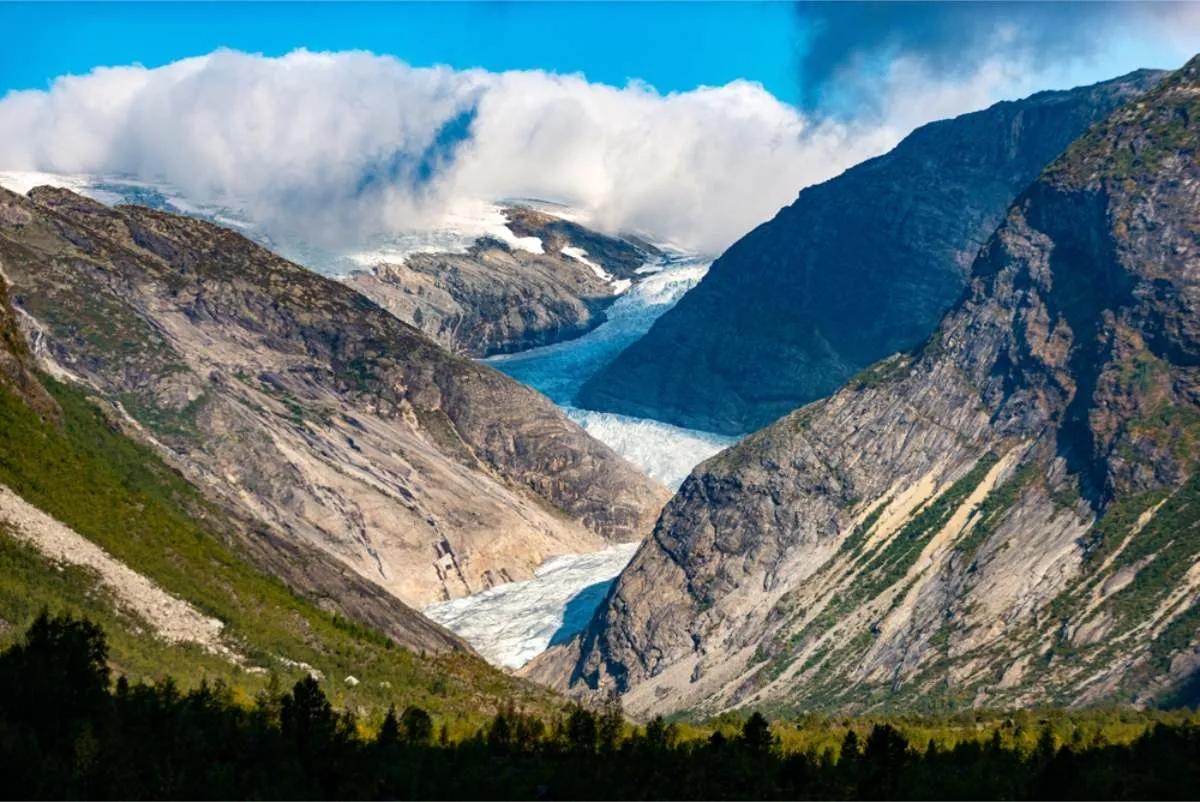
As the name suggests, Jostedal Camping is located in Jostedal and is an absolute must for all those adrenaline junkies and outdoor lovers. Here, you’ll practically never be at the campsite, despite having all the facilities and amenities you’ll possibly need.
We’re talking river rafting, hiking, ziplining, canoeing, and much more, either from the campsite itself or in the immediate surroundings.
Vinje Camping
Vinje Camping in Geiranger is another family favorite. It is practically in the middle of town, yet still manages to look like a scene from the Discovery Channel with the majestic mountains and waterfalls surrounding the campsite, which is just a short walk from the famous Geirangerfjord. You’ll also find all the facilities and amenities you could possibly need on-site.
Topcamp Ekeberg
And so, yet another Topcamp makes it onto the list, but Topcamp Ekeberg is practically in the heart of Oslo. In fact, the name should already be a clue: you’re within walking distance of the Ekebergparken with its unique range of artistic sculptures.
This is probably the most convenient and affordable stay if you’d like to spend a couple of days just exploring the capital city.
Top Campervan Routes for Camping in Norway
As in most countries, Norway also has a few popular road trip routes along which you’ll find most of our must-visit campsites. These include the following:
Atlantic Road
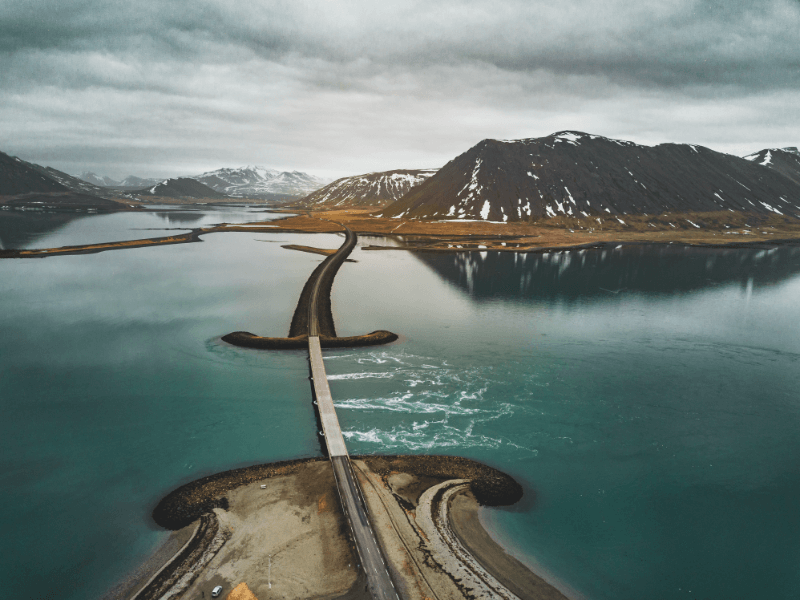
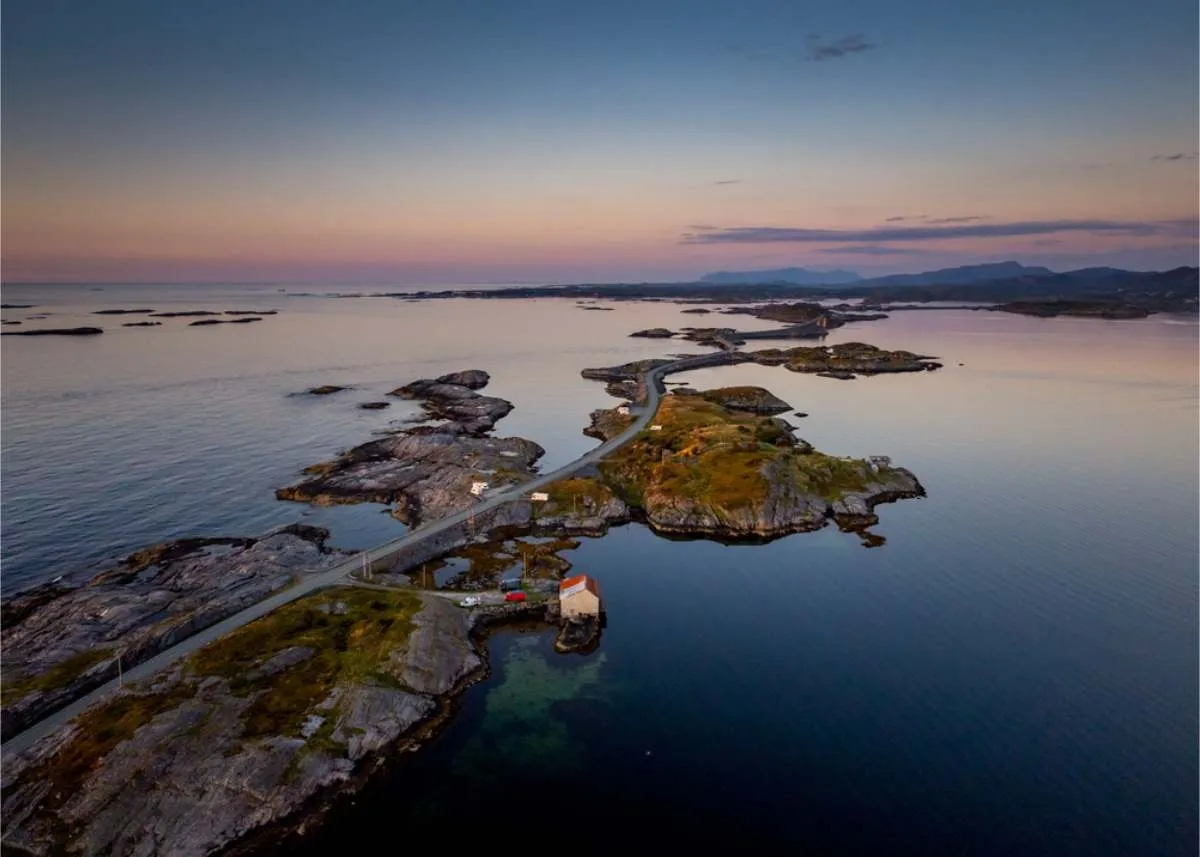
The name should be taken literally, because this road connecting Averoy Island to the mainland (not far from the city of Molde) doesn’t just weave along the Atlantic Ocean, but also over it! The route has 8 bridges that are so impressive that it even made its way into the 2021 James Bond movie, No Time to Die.
Lofoten Road
Lofoten is a Norwegian archipelago inside the Arctic Circle that’s famous for its Northern Light sightings. The Lofoten road is essentially the E10 that snakes across the islands, offering breathtaking views and all sorts of exciting experiences.
Sognefjellet Road
This road quite literally takes you away from the coast. As a once important transport route for salt and fish from the coast inland, this route from Lom to Gaupne, going through the Boverdalen Valley, now offers visitors a spectacular road trip off the beaten track.
Trollstigen Pass
Trollstigen Pass is not just a popular road trip route, but it also serves as a day outing for many visitors to Norway. Trollstigen (aka the “Troll Path”) is a winding mountain road with hair-raising hairbend turns and spectacular views. Follow this route all the way from Andalsnes to the Trollstigen Visitor Center – you won’t be sorry.
Jæren Road
Jæren Road is the best way to experience Norway’s southern coastline all the way from Ogna to Bore. Think ocean views, historic lighthouses, and quaint villages – that’s what awaits you on this postcard-perfect route.
Practical Tips for Camping in Norway by Campervan
If this will be your first visit to Norway or just the first time you’ll be camping in a campervan, the following tips and advice will be helpful:
- Campervan waste dumping is exclusive to designated waste dumping sites (even greywater!). Please do not take chances and attempt illegal dumping elsewhere. Not only can it be detrimental to the environment that brought you to our fair country in the first place, but if caught, you’ll also be dealing with pretty hefty fines.
- The two things that are most important when driving through and camping in Norway by campervan are the weather and road conditions. To keep up to date with both, please follow Accuweather and Statens Vegvesen (the Norwegian Public Roads Administration).
- Always make a point of stocking up and refueling in the larger cities and towns. This way, you’ll always be prepared, and you’ll get the best prices. Also, remember to include a few emergency rations of tin food, nuts, and dried fruits when stocking up (not just in case of emergency, but also for those times you’ve forgotten to stock up at the last stop).
- If you’re planning on spending the summer here in Norway, especially over our Midnight Sun period, we highly recommend that you bring a sleep mask and figure out how to block the windows. This might not apply to all, but the extremely long daylight hours can cause absolute havoc on some’s circadian rhythms. If you’re planning on staying at some of the busier campsites where you know there’ll be loads of kids, it might also be a good idea to invest in a pair of earplugs.
Ready to Start Your Norway Camping Adventure?
Are you ready to hit the road, explore our incredible country, and experience our beautiful and exciting campsites? Then reach out to us here at Campervan Norway!
Not only will we help you with the perfect campervan rental for your Norwegian road trip, but we’ll also happily assist with any other questions you may have, so you can be sure of having the campervan road trip of your dreams!